

Hear from Our Customers
You can’t fix what you can’t see. That’s the problem with mold in Wheat Sheaf homes—it hides in basements, crawls behind walls, and grows in attics where humidity sits all summer long.
Our mold testing shows you where it is, what type you’re dealing with, and how far it’s spread. No guessing. No wondering if that musty smell means something serious.
You get a clear report that tells you if you need remediation, what’s causing the moisture problem, and what it’ll take to fix it for good. If you’re selling, buying, or filing an insurance claim, you’ll have documentation that actually holds up.
We test air quality, surface samples, and hidden areas using equipment that finds mold before it becomes visible. You’ll know if your kids are breathing in spores. You’ll know if that water leak from last spring left something behind. And you’ll know what to do next.
We’ve been inspecting homes across Bucks County long enough to know what happens when humidity hits older construction. We’ve seen what Pennsylvania summers do to crawl spaces and how spring flooding leaves problems that don’t show up until fall.
We’re certified, we follow EPA-approved methods, and we don’t do remediation—which means our testing stays unbiased. We’re not trying to sell you a bigger job. We’re here to tell you the truth about what’s growing in your house.
Our team lives and works in this area. We understand the seasonal moisture swings, the basement issues that come with older homes near Wheat Sheaf, and what it takes to keep mold from coming back after you’ve dealt with it once.
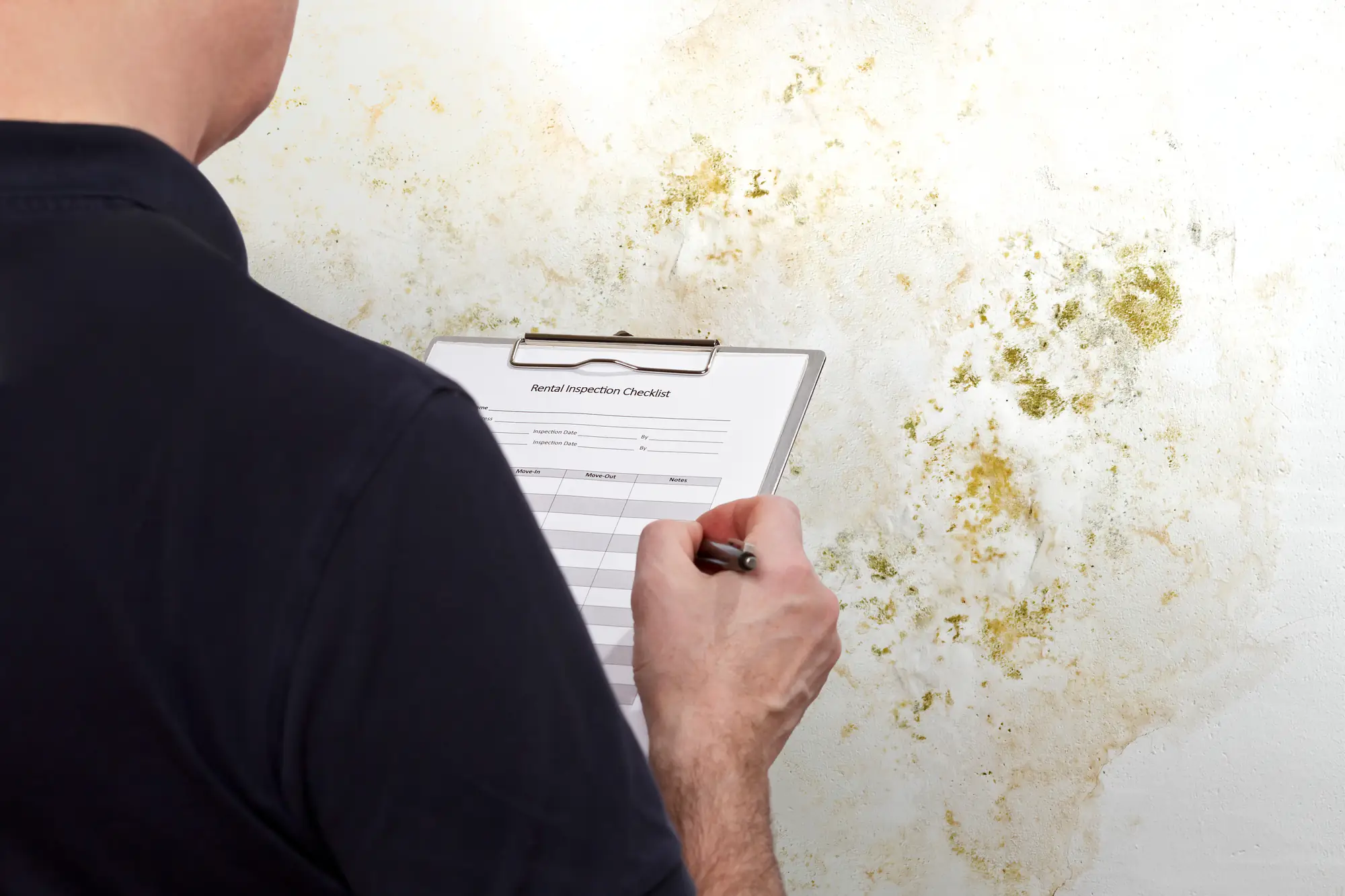
We start with a free walkthrough of your property. You show us where you’ve noticed problems—discoloration, smells, water damage, health symptoms—and we look at the areas you’re worried about plus the spots most homeowners miss.
Then we test. Air samples measure spore counts in different rooms to see if levels are higher than they should be. Surface samples check visible growth or staining to identify the mold type. Moisture meters find hidden water in walls, floors, and ceilings that’s feeding the problem.
We don’t rush it. A thorough inspection takes time because mold doesn’t grow in convenient places.
After testing, you get a detailed report within a few days. It breaks down what we found, where the moisture is coming from, and whether you need remediation or just better ventilation. If it’s a black mold test you’re concerned about, we’ll identify the species and explain the actual risk—not the internet version.
You’ll also get our honest take on what needs to happen next. Sometimes it’s a simple fix. Sometimes it’s bigger. Either way, you’ll know.
Ready to get started?
Every residential mold testing appointment covers a full visual inspection of your home’s interior, including basements, attics, bathrooms, kitchens, and any areas with known water damage or moisture issues.
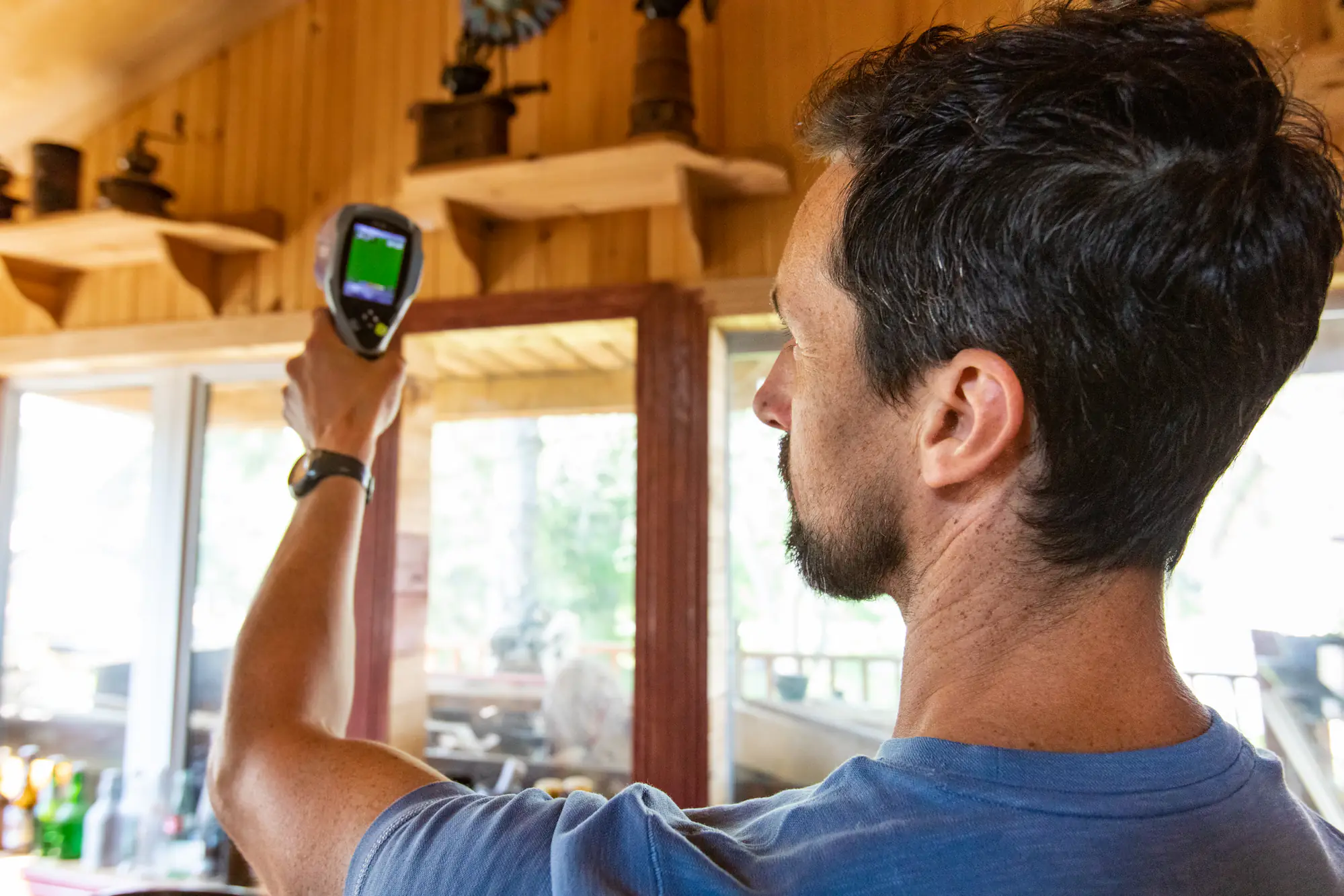
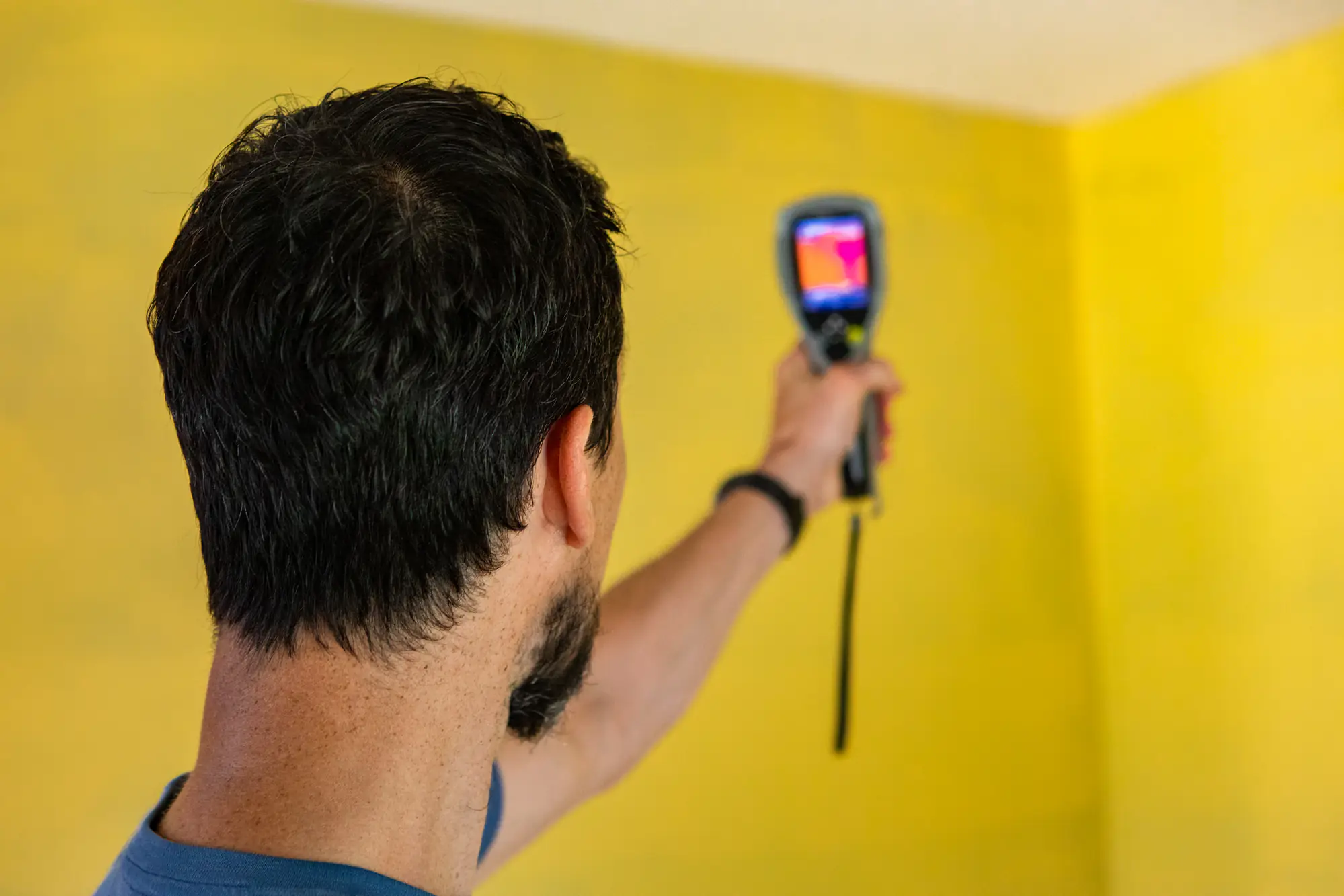
We bring thermal imaging cameras to detect temperature differences that indicate hidden moisture. We use moisture meters to measure water content in building materials. And we collect air and surface samples that get analyzed by a certified lab—not some in-house kit that gives you vague results.
In Wheat Sheaf and the rest of Bucks County, we’re seeing more mold cases tied to increased rainfall and aging home infrastructure. Basements that stayed dry for decades are now dealing with seepage. Attics with poor ventilation are trapping humid air all summer. Our testing accounts for these local conditions because what works in Arizona doesn’t work here.
You also get a written report you can share with contractors, insurance adjusters, or real estate agents. It includes lab results, photos, moisture readings, and our recommendations. If you’re buying or selling a home, this documentation protects you during the transaction.
You need testing if you’ve had water damage in the last year, even if it was cleaned up. You need it if you smell something musty but can’t find the source. You need it if anyone in your house is dealing with unexplained allergies, respiratory issues, or headaches that get better when they leave.
You also need it before buying a home in Bucks County, especially older properties where basements and crawl spaces have seen decades of moisture exposure. A home inspection doesn’t usually include mold testing, so you’re taking a risk if you skip it.
If you’re selling, testing before listing can prevent deals from falling apart later. Buyers are asking for it more often now, and if they find mold during their inspection, it gives them leverage to renegotiate or walk away.
An inspection is visual—we look for signs of mold, water damage, and conditions that support growth. Testing goes further by collecting samples and sending them to a lab for analysis.
You might not need testing if mold is clearly visible and you’re moving straight to remediation. But if you’re not sure what you’re dealing with, if the problem keeps coming back, or if you need documentation for insurance or real estate purposes, testing gives you answers an inspection alone can’t provide.
Testing also measures air quality, which tells you if spores are circulating through your HVAC system even if you don’t see growth. That’s especially important in homes where people are experiencing health symptoms but there’s no obvious mold.
The on-site inspection and sample collection usually takes one to two hours depending on the size of your home and how many areas we’re testing. We’re not rushing through it—we’re checking places most people don’t think to look.
Lab results come back within three to five business days. We send you a full report that breaks down spore types, concentrations, and where the samples were taken. It’s written in plain language, not just lab jargon, so you understand what you’re looking at.
If it’s an urgent situation—like you’re closing on a house or dealing with a health crisis—we can request expedited lab processing for an additional fee. That cuts the turnaround to 24 to 48 hours.
Testing identifies the mold and measures how much is present, but finding the cause is part of the inspection process. We use moisture meters and thermal imaging to track down where water is getting in or where humidity is too high.
Most mold problems in Wheat Sheaf come from basement moisture, roof leaks, plumbing issues, or poor ventilation in bathrooms and attics. Pennsylvania’s humidity makes it worse—mold grows fast here when conditions are right.
Our report includes notes on what’s feeding the mold growth so you’re not just treating the symptom. If you fix the mold but don’t fix the moisture source, it’ll come back. We make sure you know what needs to happen to actually solve it.
You can, but those kits don’t tell you much. They’ll confirm that mold spores exist—which they do in every home—but they won’t tell you the type, the concentration, or whether it’s a problem that needs remediation.
DIY kits also don’t include a professional inspection, so you’re missing the part where we find hidden growth and measure moisture levels in your walls and floors. You might test one room and miss the real problem growing in your basement or attic.
If you’re trying to save money, we get it. But if you’re dealing with health symptoms, property damage, or a real estate transaction, professional mold testing gives you results you can actually use. Our testing holds up with insurance companies and during home sales. A kit from the hardware store doesn’t.
Not really. We’re in and out in a couple of hours, and you can stay in the house while we work. You don’t need to move furniture or do any prep unless there are areas you want us to access that are currently blocked.
We’re not tearing into walls or making a mess. The equipment we use is non-invasive—air pumps for air samples, swabs for surface samples, and handheld meters for moisture readings. If we do need to check behind something or look in a tight space, we’ll ask first.
You can go about your day. If you need to leave for work or appointments, that’s fine too—we just need access to the areas we’re inspecting. Most homeowners in Wheat Sheaf stick around because they want to see what we’re finding and ask questions as we go.
Other Services we provide in Wheat Sheaf